

- This event has passed.
Helping Children with Down Syndrome Sleep Better: Poor Sleep Isn’t “Just Part of It”
Helping Children with Down Syndrome Sleep Better: Poor Sleep Isn’t “Just Part of It”
Sleep problems are often normalised in children with Down syndrome. Families may not seek help, thinking this is “part” of having a child with Down syndrome or may be dismissed when presenting to health professionals. However, sleep is one of the few modifiable factors that can contribute to improved outcomes for children with Down syndrome and their families. This talk will focus on the importance of seeking support for sleep challenges in children with Down syndrome, highlighting the debilitating impact on both child and family from chronic sleep disruption and outlining an approach to management of both respiratory and non-respiratory sleep problems.
Presenter
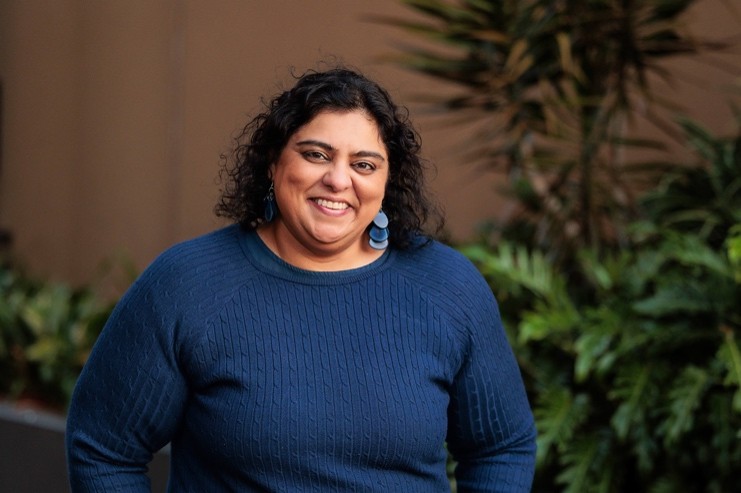
Associate Professor Jasneek Chawla is a Paediatric Respiratory and Sleep Medicine Specialist at Queensland Children’s Hospital, Brisbane. She also leads the Kids Sleep Research Group at the Child Health Research Centre and is President of the Australasian Sleep Association
Biography
Associate Professor Jasneek Chawla is an experienced physician and a clinician researcher with an interest in sleep in children with complex disability and in developing emerging paediatric sleep technologies. In 2025, she was awarded the CHQ Research in Excellence Award and acknowledged for her research by the Australian Institute of Policy and Science, voted as one of Queensland’s ten Young Tall Poppies. Jas is the president of the Australasian Sleep Association, the national peak body for sleep professionals- she is the first paediatric specialist to undertake this role. Jas is also part of the UQ disability collaboratory leadership group and is a strong advocate for children with disability and chronic illness. She collaborates widely with many consumer representative organisations, including a long-standing relationship with Down Syndrome Australia. She works alongside individuals with lived experience through her research, directing and translating her findings into clinical practice.
Theme: Health
Audience: Parents, professionals and whānau